
 Call
Call
Blog
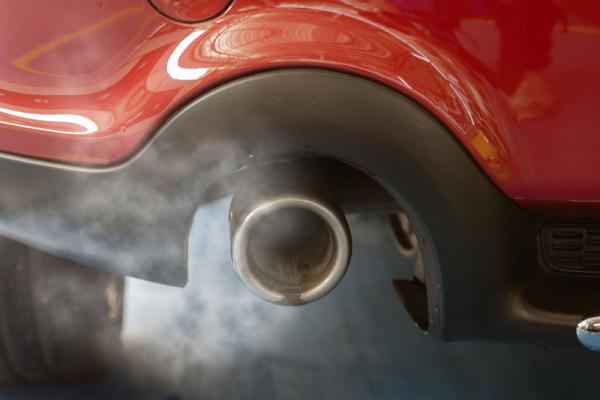
Why Does My Diesel Engine Smoke Under Acceleration?
Noticing smoke coming out of your diesel vehicle when you accelerate can be a worrying thing. Whether you’re pulling away from a junction, accelerating on a motorway, or climbing a steep hill, seeing smoke coming from the exhaust can be a strong…
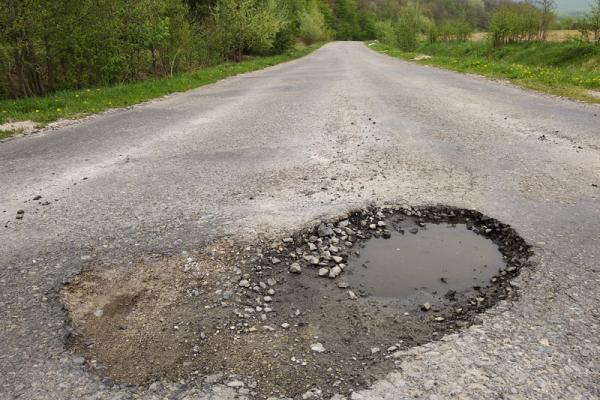
Hit a Pothole in Shropshire?
If you’ve driven around Shropshire recently, you’ve likely come across a pothole. Whether you’re making a quick trip to the shops, travelling through country lanes or making a long-distance trip on the motorway, the chances of encountering a pothole…

Why is My Car Making a Knocking Noise When Driving?
Whenever our car makes any noise we don't recognise, we can feel that little creep of dread rise up within us. When you hear a knocking noise when driving, it's typically a sign of worn, loose, or unlubricated components that need professional…
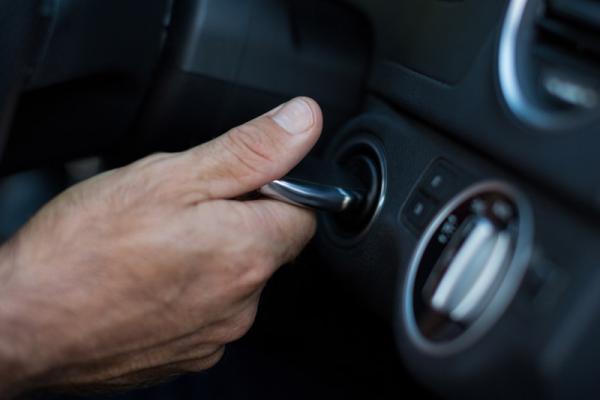
Why Won’t My Car Start? 10 Common Causes and What You Can Do
Turning the key - or pressing the start button - and getting no response is one of the most frustrating experiences a driver can have. Whether you’re in a rush for work, heading home, or parked outside the shops, it can feel like a nightmare,…

Car Water Pump Problems
Your water pump keeps coolant flowing between the radiator and the engine using an impeller driven by a belt or a timing chain, and without circulation, your engine will overheat.The most significant risk from excessive heat is destroying head…
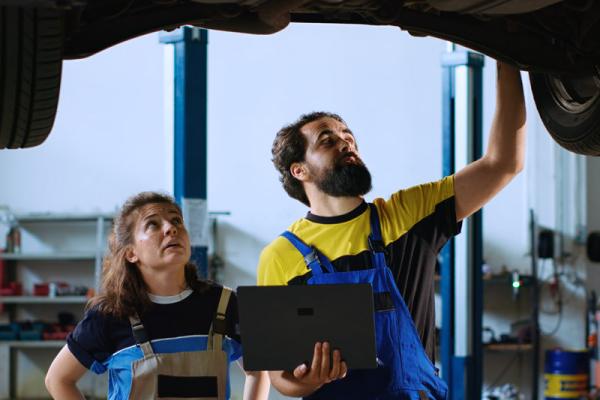
When does a new car need an MOT?
Your new car won't need an MOT for a while yet. But that deadline creeps up faster than you'd think and missing it means real trouble.Understanding when to book that first test saves you from fines, invalid insurance, and a car you can't legally…
How to Fix Number Plate Lights
Number plate lights fail more often than you'd expect. These tiny bulbs endure constant vibration, temperature extremes, and moisture exposure whilst illuminating your registration plate for visibility and legal compliance.Most drivers only notice…
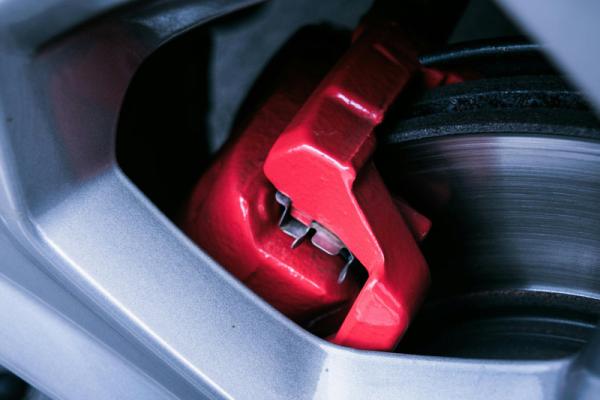
Brake Pad Replacement
Brake pads wear out. It's inevitable physics - friction material disappears as heat every time you stop. Most drivers ignore the early warnings until their car starts making grinding noises when braking at low and high speeds.The principle is simple…

What are suspension bushes?
Bushes act as connectors and shock absorbers where suspension components meet. They quietly absorb impacts from potholes, smooth out vibration, and permit just enough movement for your wheels to travel properly. Over a dozen are scattered…
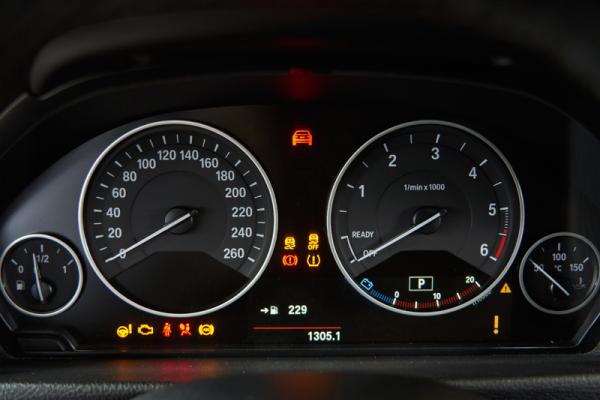
What should you do if your anti-lock brakes (ABS) warning light stays on?
If your ABS warning light stays on, check your brakes immediately. This is the correct answer in your driving theory test, and it's what you should do in real life, too. Don't just drive to a garage — call them first, as your car might be…
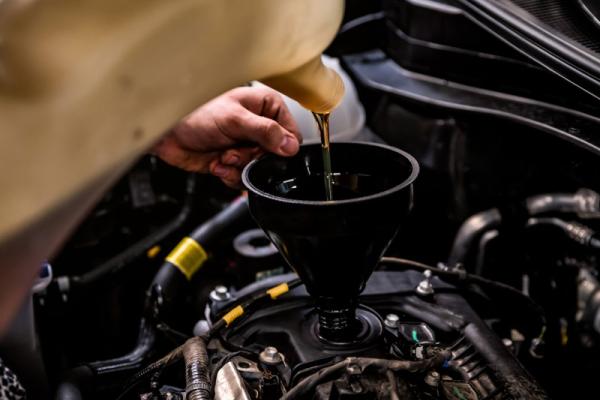
What Happens If You Put Too Much Oil in Your Car?
If you put too much oil in your car, nothing will happen until you start it, and nothing catastrophic will happen immediately afterwards.Oil circulates when the crankshaft rotates. Excess oil whips and churns during this process because it can’t…
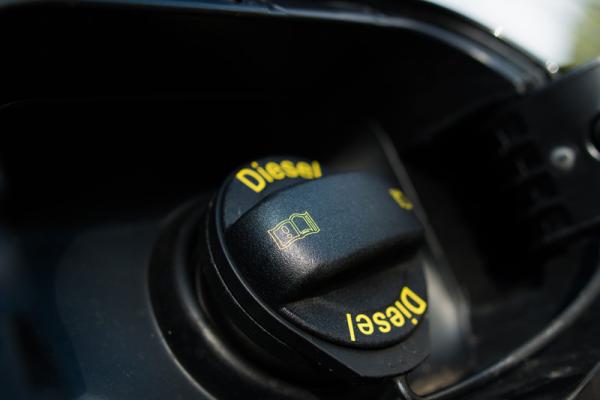
What Happens If You Put Petrol in a Diesel Car?
Petrol in a diesel engine creates a storm of destruction the moment you start the car. While petrol engines run on spark ignition, diesel engines compress their fuel and rely on it for lubrication. When petrol enters this system, it does two…

Why Does My Car Alarm Keep Going Off?
That shrieking car alarm piercing the night is your car's cry for attention. While it might be a fault triggering false alarms, it could also be doing its job: catching someone testing your door handles or fiddling with your boot.The problem comes…

What To Do After a Minor Car Accident
You’ve had a minor car accident and don't know what to do next. The good news is the next steps aren’t complicated. The correct legal path is to inform your insurer of any incidents, even if you don’t intend to claim, because your policy will…
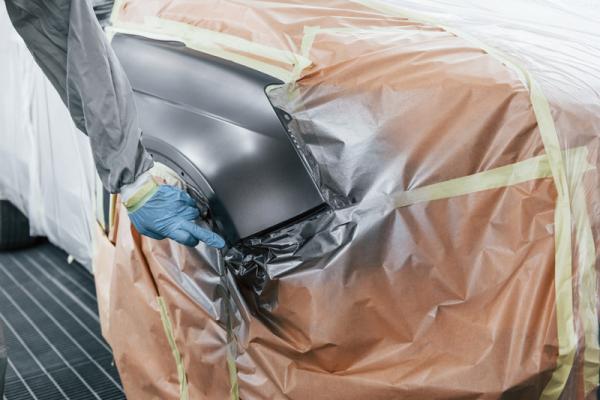
How to Fix Paint Blisters on Your Car
Blisters and bubbles on your car's body spell the end for the paint in that area.The good news is that we can strip blisters back to bare metal, refinish them, and repaint them to a standard indistinguishable from a factory finish. It's best…
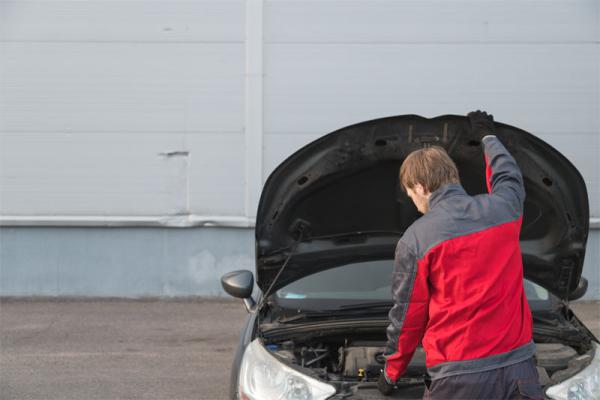
Starter Motor Problems
A starter motor cranks the engine to start it. That initial crank gets the pistons moving so fuel can start burning, and the engine can run independently. Starter motor problems interrupt this process and stop the engine from firing.The good news is…
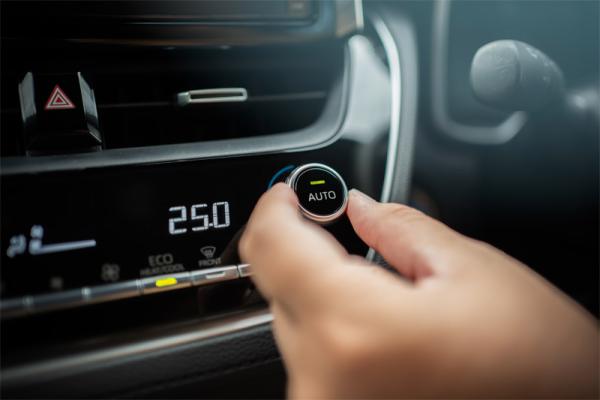
What Happens with a Car Air Conditioning Service?
If your car's blowing lukewarm, stale air, air conditioning servicing will put it right. Using a special machine, your air conditioning technician will safely remove your car's spent refrigerant and replace it with fresh gas. This process is…

The Ultimate Car Rust Guide
Rust is the oxidation of iron or iron-based alloys – such as steel - from exposure to oxygen and moisture. It is a form of corrosion that develops slowly but accelerates over time, so it's primarily seen in cars over a decade old.Modern cars have…
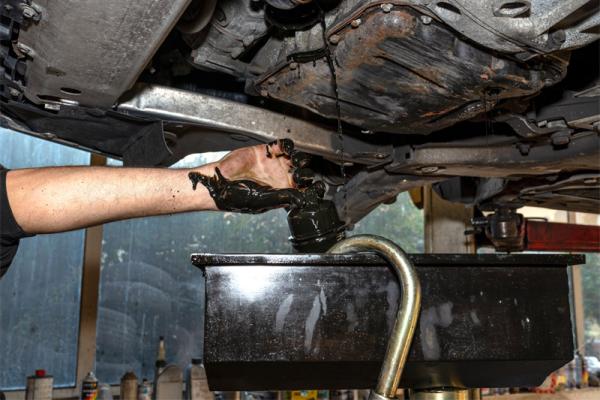
Why Is My Car Using so Much Oil?
An illuminated oil warning light on your car's dashboard can stop you in your tracks, but before you start panicking, it's essential to understand what that nagging light could really be telling you – and it isn’t always a leak. The oil light…

Car Alternator Problems
Cars with combustion engines burn petrol or diesel to pile on the miles, but they can't go anywhere without electricity, and the alternator generates that electricity by charging the 12v/24v battery.Alternators convert mechanical energy from the…

Turbo Failure Symptoms
Turbocharged engines produce a satisfying surge of boost, but all that extra oomph comes at a cost—they can wear out from excessive friction and heat, usually from oil starvation or dirty oil mucking the turbine housings.Some turbos also fail…
How to Improve Car Fuel Efficiency
Getting every drop of efficiency while driving is one of our favourite pastimes because so much depends on driver behaviour.We can't account for the low temperatures that make it harder for our engines to warm up nor the traffic that forces us to…

What Is an Engine Misfire, and How Do You Fix It?
An engine misfire happens when a cylinder doesn’t combust fuel. It often stems from relatively minor issues like worn spark/glow plugs or dirty injectors, but the real danger comes from leaving the problem unchecked.Misfiring engines can send…

How to Avoid Wearing out Your Clutch
Your clutch is the component you press down with your foot to transition between gears in a manual transmission vehicle. Yet most drivers pay little attention to the clutch until it begins to slip, stutter, or fail altogether.But have no fear, for…
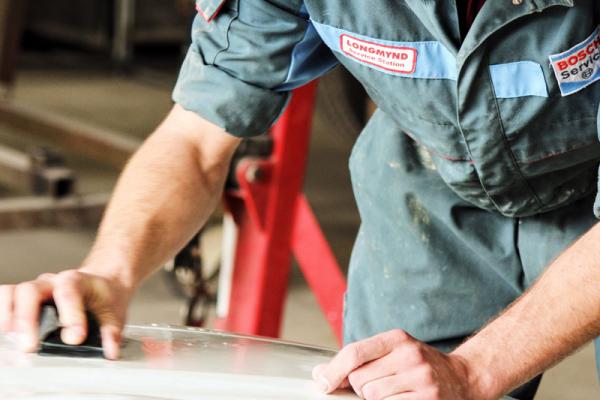
How to Remove Scratches from Your Car Paintwork
Scratches are inevitable no matter how much you baby your car. You just can't prevent people from brushing past it, stones kicking up from traffic, or the swirl marks that come from rubbing dirt into the paint when washing it. The good news is you…

Winter Car Checks & Driving Advice
The cold, wet winter weather can take its toll on your car. Icy roads, grit, salt, and low temperatures put extra strain on components and can lead to breakdowns or accidents if you're not prepared. With simple preventative checks and adjustments…
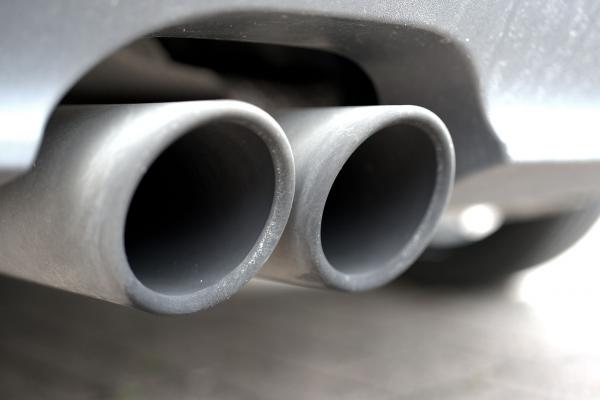
What Causes Excess Exhaust Emissions?
What Are Exhaust Emissions? Exhaust emissions are emitted as part of the combustion process when an engine is running – the emissions themselves are comprised of different gases and particles. Some of these are harmless chemicals, such as oxygen,…

How Often Should Brake Fluid Be Replaced?
What Is Brake Fluid? Brake fluid is a type of hydraulic fluid used in hydraulic brake systems. It is found in the brake lines and contributes to the force produced when the brake pedal is engaged. It is a necessary component of the vehicle and…
How To Identify and Repair A Car Radiator Leak
The radiator is an essential part of any car, forming an integral part of the cooling system – its function is to ensure that the engine is running at an optimum temperature. If there is a fault in the radiator or the cooling system, it could mean…
Top Tips for the Maintenance of High Mileage Cars
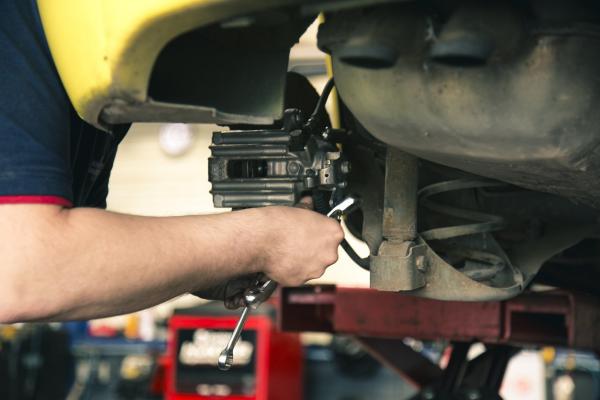
According to statistics from 2021, the average age of a UK car stands at around 8.4 years old – as engineering and technology continuously improve, the modern vehicle is designed to withstand the test of time and is built to last, meaning that…
Why You Should Get That Car Dent Repaired Immediately
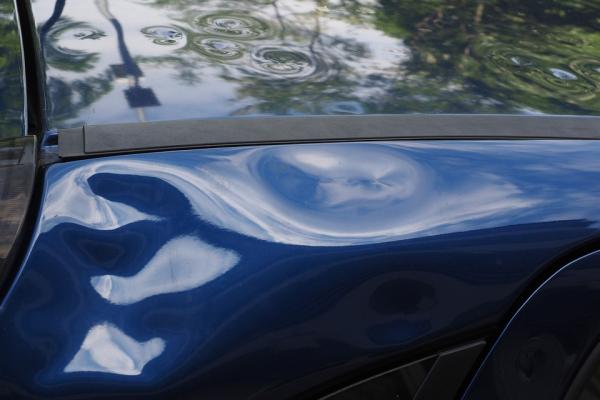
Dents and damage to a car are extremely frustrating and whilst minor knocks and bumps will have no impact whatsoever on the performance of the vehicle, any car dent should be repaired immediately. Many of us are tempted to ignore minor dents,…
Will A Broken Timing Belt Destroy My Engine?
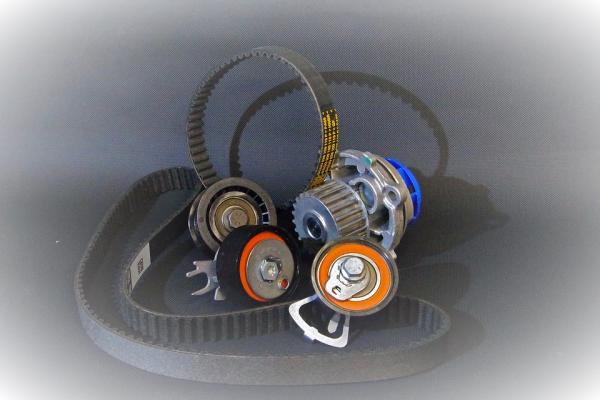
If the timing belt breaks, the engine will not be able to run. If it breaks while the engine is running it can result in serious problems, possibly causing irreversible damage to the pistons, cylinders heads and valves. What Is A Timing Belt? A…

Signs You Need A Coolant Flush
What Is A Coolant Flush? For optimal performance and to prevent the engine from overheating, car engines are required to operate within a specific temperature range - this is regulated by the radiator system and its coolant fluid. Coolant is a type…
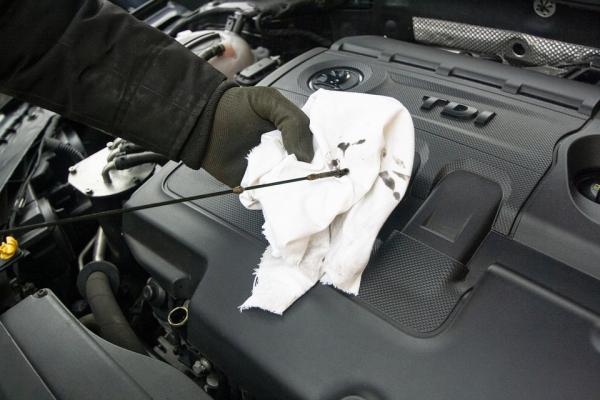
The Causes of Low Oil Pressure in Your Car
Engine oil is essential to any diesel or petrol engine car. It serves to lubricate the components of the engine and to ensure that it runs smoothly, keeping adequate amounts of oil in the engine prevents the parts from grinding together. If the…
Why Do Tyres Need Balancing?
Balancing the wheels of a vehicle ensures that the weight is distributed evenly around the entire circumference of the tyre to minimise vibrations and uneven tread wear. Ensuring that your wheels are balanced will result in a much smoother and safer…

Why Does My Car Jerk When I Accelerate?
If your car has begun to jerk or shudder during acceleration, it is a sign that something is wrong and should be investigated immediately. There are a number of reasons why this could happen, many of which are easily rectified, however, if left…
Choosing The Right Tyres For Your Car
The tyres are the only part of the vehicle in contact with the road and therefore play a fundamental role in the safety and performance of your vehicle, making the choice of tyre an important decision. Wet road conditions, cold weather and loose…
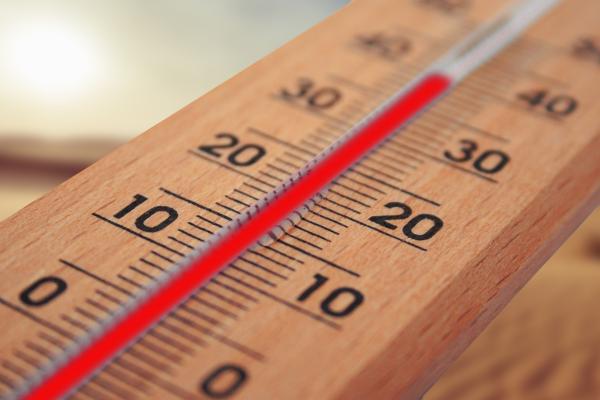
Does Hot or Cold Weather Affect Your Car?
Many countries across the globe are well adapted for extreme temperatures be it excessive heat or cold. The UK has a maritime temperate climate. Its moderate annual temperature range means it is not generally subject to blistering heat in the summer…

Road Surface Defects to Be Aware Of
Both local and national UK roads are generally well maintained; according to data from Statista, the UK Government invested over 12 billion pounds into both local and national roads during 2021/22. However, road surfaces inevitably vary in quality…
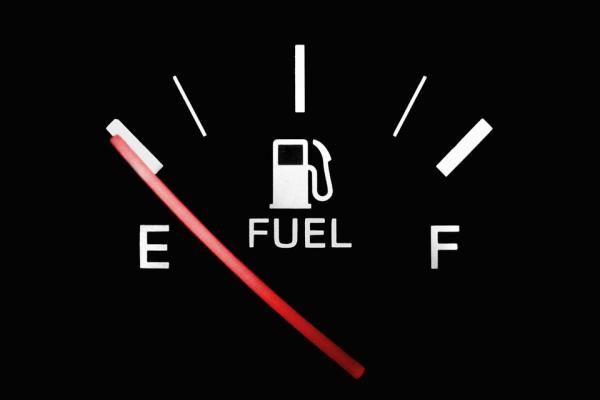
Easy Ways To Save On Fuel
The price of fuel - petrol, diesel and electricity - are currently at record highs and with the cost of living set to rise even more into the coming winter, many of us are looking to find ways to economise, and this includes saving fuel. There are a…
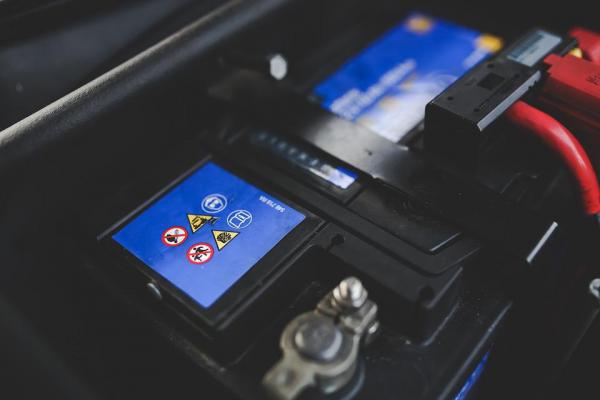
How To Avoid A Flat Battery
Problems with the car battery is frequently cited as one of the most common reasons for breakdown callouts in the UK. The car battery is a crucial component of the car, without it, it will not be able to start. However, very few of us actually take…

What To Do If Your Car Breaks Down
A vehicle breaking down can be stressful and dangerous, as well as costing time and money. Having Breakdown Cover from a reputable company is, of course, highly recommended and very helpful but what do you do before they arrive? Let’s take a look…
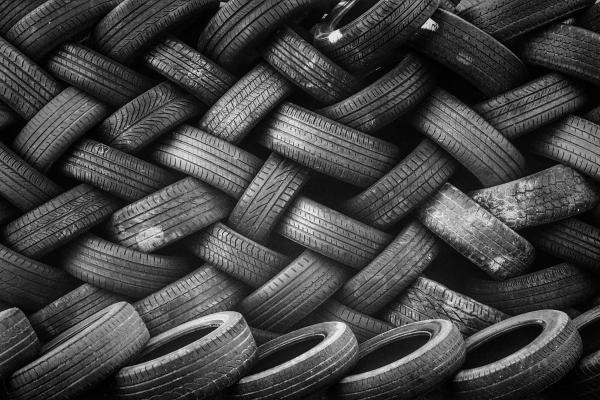
Driving On A Spare Tyre
Traditionally cars were manufactured and delivered to their owners with four tyres and a fifth spare tyre in the boot. Nowadays, if there is a spare tyre (many vehicles do not come with one by default) it is designed for short term temporary use…
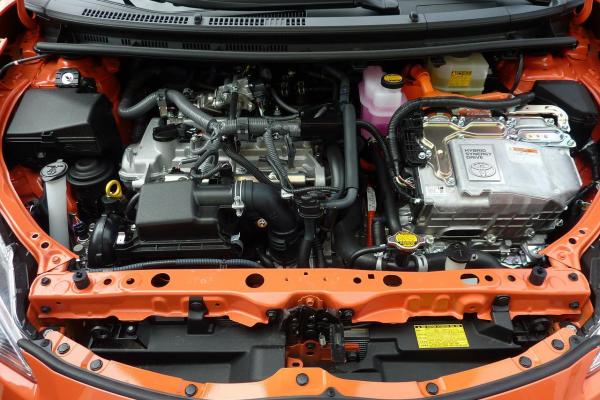
Common Electrical Malfunctions In Cars
Each car contains a surprisingly large number of electrical parts. Obvious electrical items include things such as the lights, stereo and so forth however, amongst all the electrical wiring within any vehicle, there are three key electrical…

Common Causes of Car Oil Leaks
What To Do If You Find an Oil Leak Any signs of liquid found at the underside of the car should be investigated immediately to ascertain exactly what the liquid is and where it is coming from. A small leak can over time grow into a large and costly…
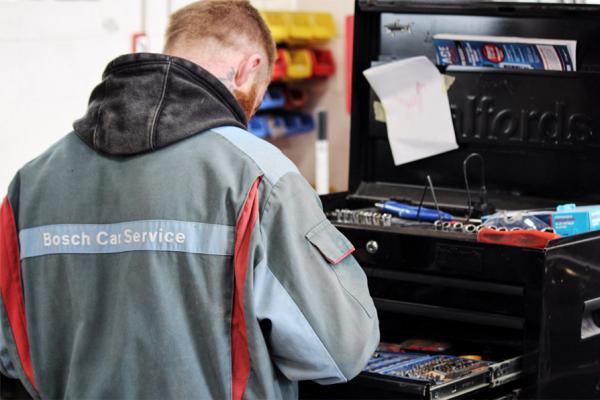
Why Do I Need An MOT?
All vehicles that are three years and over are required to have an annual MOT (Ministry of Transport) test to ensure that their vehicle is compliant with UK law and that they meet the minimum safety standards. Where Can I Get An MOT? An MOT can…
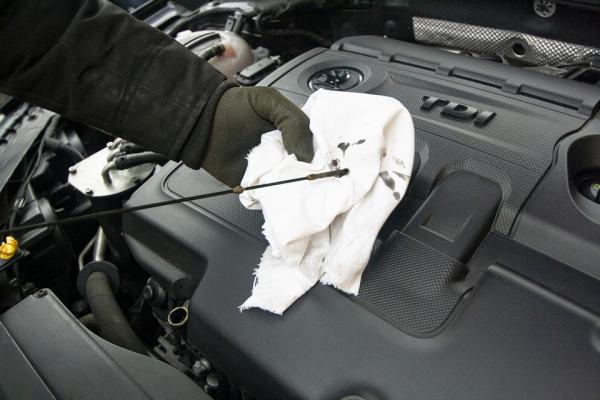
Why Are Car Oil Changes So Important?
Engine oil is essential to cars and other vehicles, without it, the car engine would be damaged beyond repair. The principal reasons that engines need oil are as follows: To Prevent Friction The main function of engine oil is to lubricate the many…

Problems With Car Suspension
What is the Suspension System? The car’s suspension system is located between the frame of the car and the road, it is a protective network of components which includes, coil springs, shock absorbers or dampers, (or struts) rods, linkages and…

Winter Tyres
The winter season brings with it cold and unpredictable weather with freezing temperatures, rain, sleet, ice, snow, and high winds. It is the snow, in particular, that seems to bring everything to a grinding halt in the UK, as although the…

Poor Car Handling and Winter Weather
As soon as the weather changes and a cold snap occurs an increase in the number of accidents and breakdowns typically occurs. This is often the result of underlying issues with the car itself which may affect its handling, any such issues become…

Identifying Clutch Problems
The clutch is fundamental to the car – if it is not functioning correctly, the car will fail. Although clutch failure is not a frequent occurrence, when it does happen there are several signs that indicate when the clutch is on its way out. …
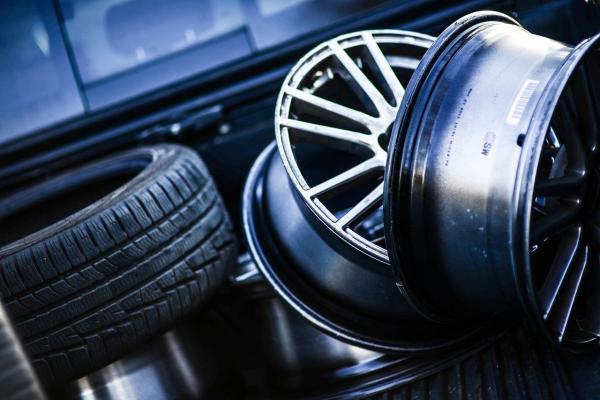
What Does Uneven Tyre Wear Mean?
Abnormal or uneven tyre wear is usually the result of a number of issues which may compromise the handling of your vehicle, as well as the life and performance of the tyres, and ultimately safety. The tyres are the only part of the car to come…
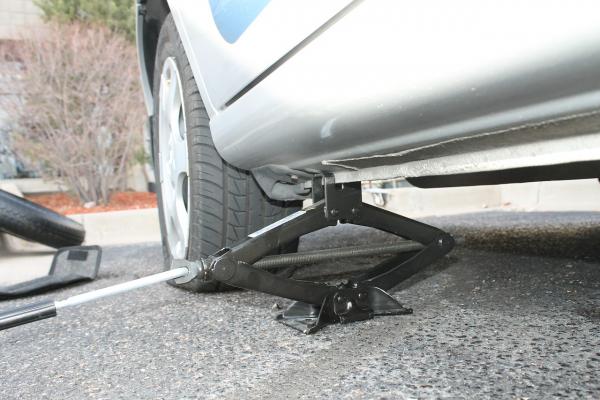
General Car Maintenance Tips
Many of us lead busy lives and with so many things to do on a daily basis, general car maintenance often sinks to the bottom of the to do list. Its importance is underestimated – looking after your vehicle will help you save money in the long run…
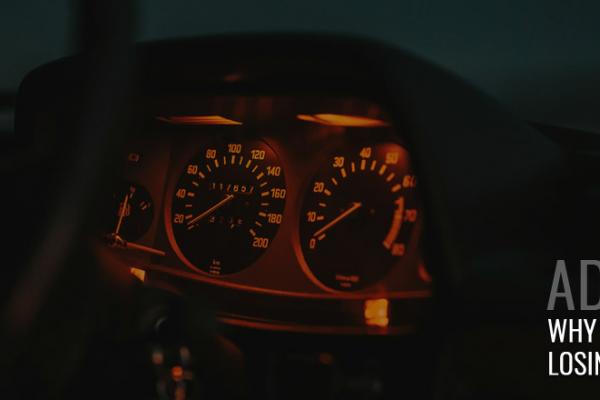
Why Is My Car Losing Power?
There are several possible reasons which may account for loss of performance in your car – if when driving you feel that car is losing power, it is more than likely that it is one of the following; either there is not enough fuel in the vehicle or…
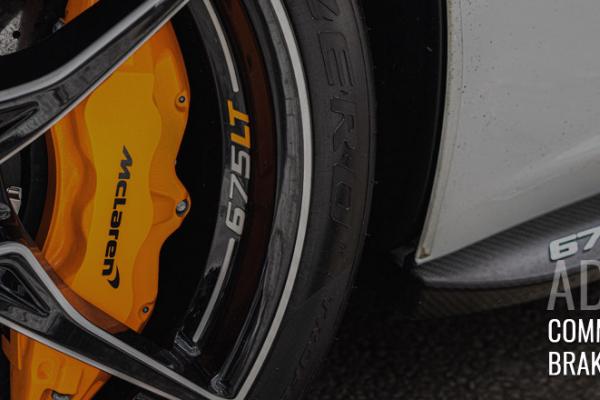
6 Common Car Brake Problems
The brakes in your vehicle are a crucial component and paramount to the safety of the driver, other motorists, and pedestrians. During your annual MOT, car brakes are thoroughly checked. If the brakes are not in safe order, then your car will fail…
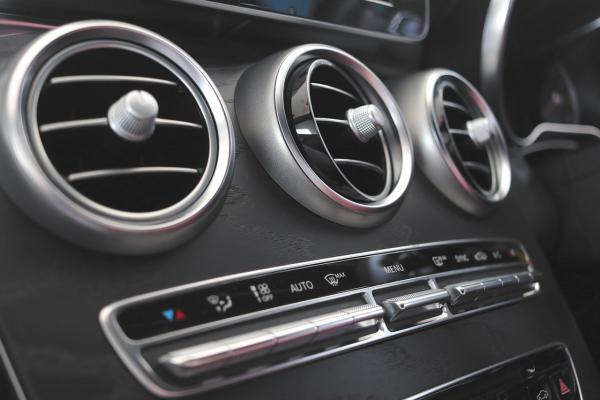
Common Problems With Car Air Conditioning
The air conditioning system plays an important role towards passenger comfort whilst in the vehicle, helping us to stay cool on hot summer days; this is something especially important when travelling at high speed or in heavy traffic, when opening…

Why Is My Car Steering Wheel Shaking?
A shaking car steering wheel should never be ignored, as it may be an indication of a more serious issue and should be investigated promptly. A shaking steering wheel is not only irritating but also dangerous and is something that could be…
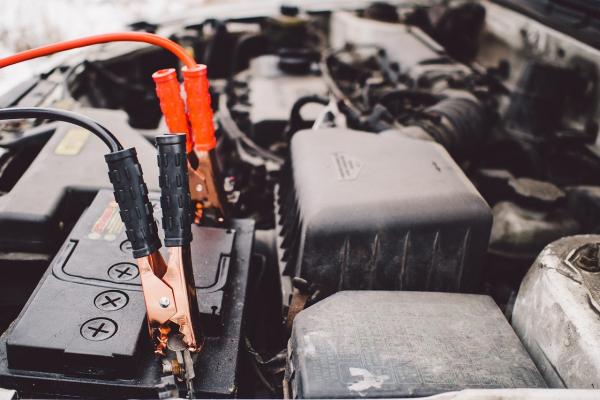
Looking After Your Car Battery
Car battery failure is one of the leading causes of vehicle breakdown in the UK. Over the past year, the covid-19 pandemic and its subsequent lockdowns and travel restrictions have meant that drivers across the UK have used their cars less than…
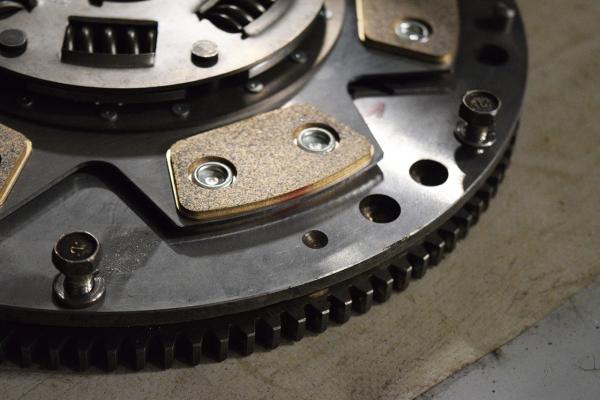
Clutch Replacements
The clutch assembly is one of the most important components in the car. Its function is essential, without a clutch, the car would be unable to change gears or operate properly. Ensuring the clutch is fully operational at all times is an integral…
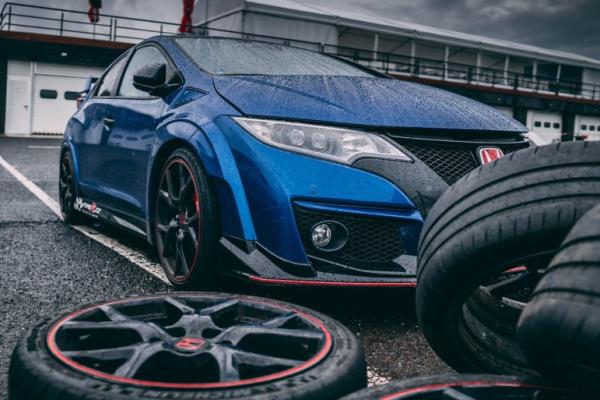
Car Tyre Care Tips
Ensuring your tyres are roadworthy and replaced when necessary is paramount to your own safety as well as to the safety of others on the road. The only point of contact between a vehicle and the surface of the road are the tyres and these are…
MOT Extension During Coronavirus / COVID-19
Due to the unprecedented spread of the coronavirus pandemic (COVID-19) the UK Transport Secretary announced the extension of all MOTs set to expire on or after March 30th, by 6 months. The announcement came in response to fears that the national…
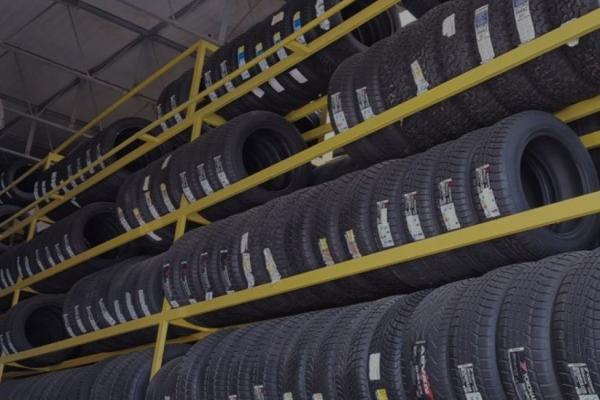
Longmynd Service Station Launches New Online Tyre Service
Buy and book your tyre change online using our handy online tool: https://www.longmyndservicestation.co.uk/tyre-sales-fitting We Make It Simple Sometimes the choice of available tyres on the market can be overwhelming – with thousands to…
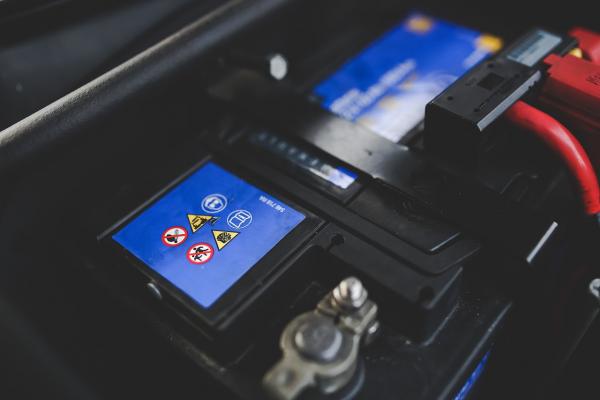
How Often Do I Need To Replace My Car Battery?
Car battery failures are one of the leading causes of call outs for roadside assistance – many car owners simply fail to fully appreciate just how vital the role of the battery really is. Put simply, without a battery the car won’t start. What…

The Top 10 Reasons Why Cars Break Down
Although car breakdowns are generally more common during the cold winter months, they may occur at any time of the year for a number of reasons. Generally speaking, a breakdown can be expected at some point during the natural life cycle of…
The Top Causes Of MOT Failure
Back in 1960, MOT tests were introduced, now every car has to pass its MOT before it is deemed ‘road legal’, making the test crucial to anybody who owns a car and plans on taking it on the road. The test can help to avoid potential car crashes and…
Does Your Timing Belt Need Replacing?
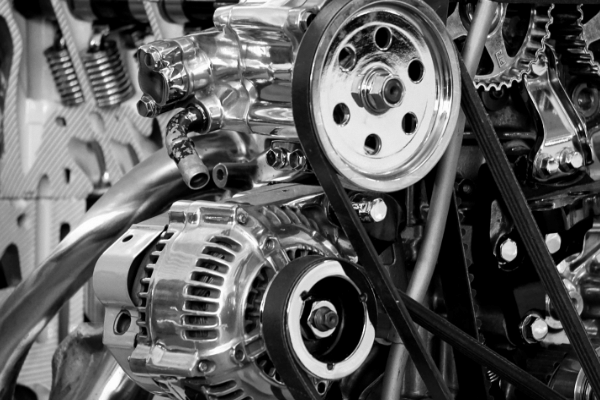
The timing belt, also known as the cambelt, is one of the most important components of the car, controlling the timing of the vehicle’s engine – it controls the internal combustion by ensuring that the camshaft (which controls the valves) rotates…

Guest Post: 5 Top Tips for Getting the Right Classic Car Insurance
When it comes to insurance for classic cars, there is no such thing as “one-size-fits-all”. In many cases, these vehicles are viewed as one of the family and have their own distinct requirements. It makes sense to go with a specialist, who…
How Often Should You Service Your Car?
As a general rule of thumb, a car should be serviced once every 12 months or every 12,000 miles – whichever comes first. Older vehicles or cars doing high mileage should have more frequent services, approximately every 6000 miles. How Will I Know…
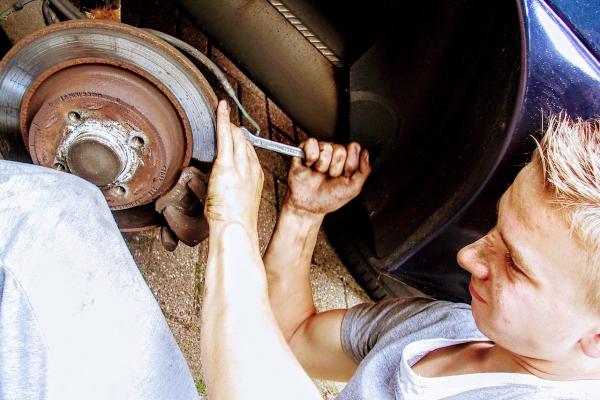
What Causes Squeaky Brakes on My Car?
One of the most common complaints involving car brakes are unusual noises – namely a squeaking noise. Brakes are arguably the most important safety feature in any moving vehicle. Nobody is comfortable driving a car with faulty brakes, it is…
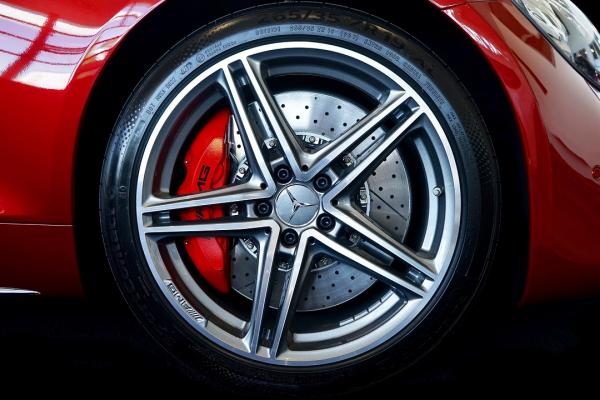
How Poor Wheel Alignment Can Affect Your Car
Wheel alignment, or tracking as it is also referred to, dictates the angle in which your wheels come into contact with the road. It involves checking both the angle and the direction of the wheel, to ensure they are set to their correct position…
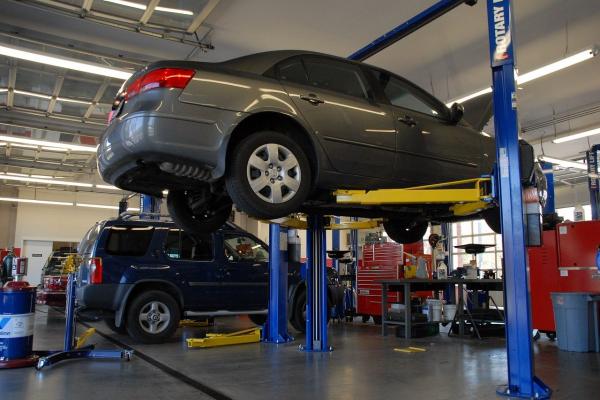
Everything You Need to Know About a Car Service
The regular servicing of your car is essential for many reasons – primarily to maintain the car’s longevity, safety and value for as long as possible. Many minor issues which are not immediately visible, develop slowly over time, therefore going…

How To Check Tyre Tread Depth
Car tyres are subject to tough wear and tear as the tyre’s tread is the only part of the vehicle which comes into contact with the road, providing grip and stability, as well as withstanding extreme temperatures, resisting abrasion and heavy…
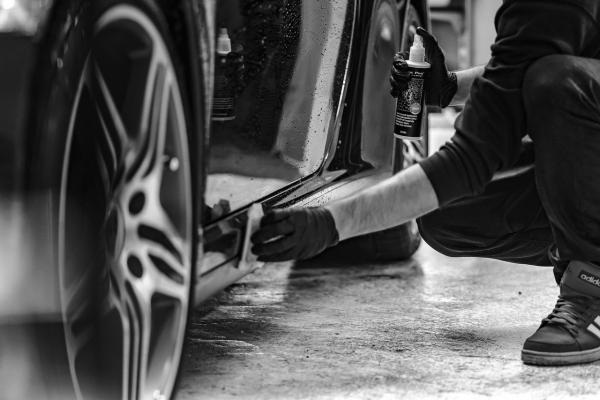
How to Prepare Your Car for an Mot Test
There is no getting around the fact that every car more than three years old will need an annual MOT. A valid MOT certificate proves your car is roadworthy and meets various safety and environmental standards. It is a legal requirement – without…

How to Look After Car Paint & Avoid Damage
A car is an expensive asset and whilst some of us devote copious amounts of time to looking after our cars, many of us simply don’t see it as a priority. However, maintaining the exterior of your car not only makes it look fantastic, it can also…
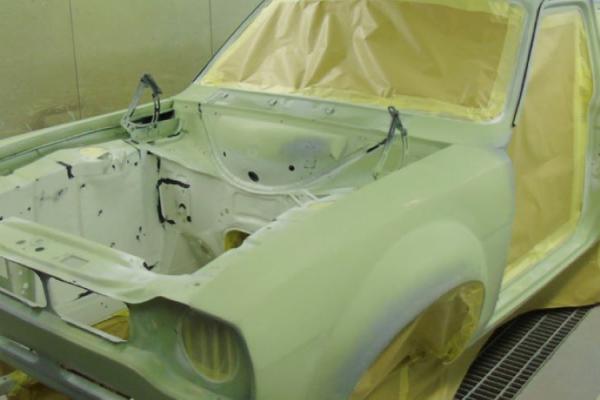
What Is Involved In A Full Body Respray?
Full body paintwork is a job often left to the professionals and there are a great number of good reasons for this. It is not a simple or straight forward task and although this can be a DIY job, the results will never be as good as a professional…
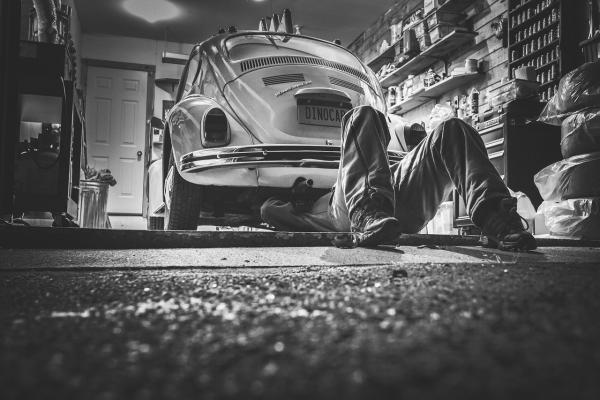
Repairs You May Be Responsible for When You Return Your Lease Car
Leasing is becoming increasingly popular, attractive new cars at temptingly low prices are easily accessible and well within the average budget. Many people are now opting to lease over actually buying their own vehicle as it offers several…
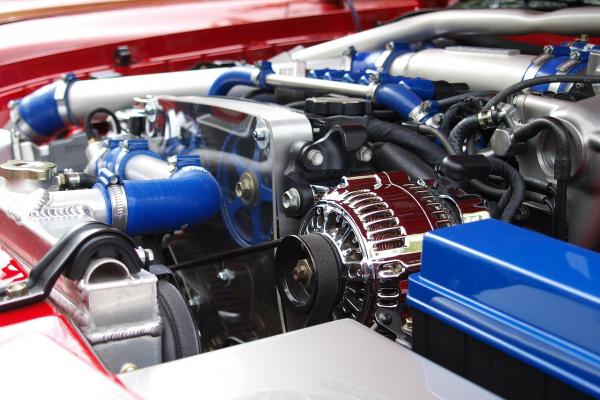
Why Changing the Oil Is so Important to the Health of Your Engine
Many of us view changing engine oil as a not so necessary task, very much out of sight out of mind and deemed to be not worth the effort it entails. However, nothing could be further from the truth, engine oil plays a vital role in the general…
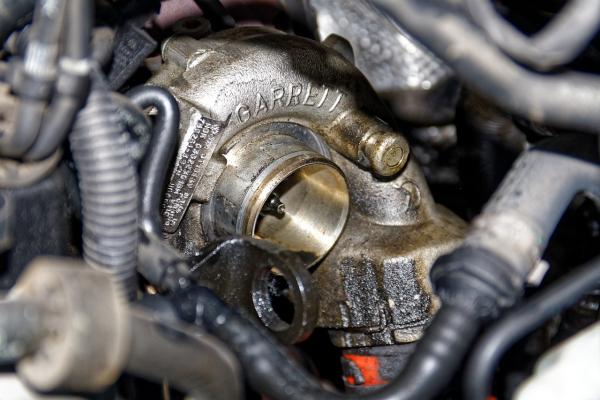
Have You Had a Turbo Failure with Your Car Recently?
Have you had a turbo failure with your car recently? You're not alone! We have seen an increase of turbo failures in the last couple of years. Reading through this blog may hopefully help you to prevent your turbo from failing again! One of the…

Buying a Classic Car is a Great Investment
There is nothing better than driving an open top sports car on a warm summers day. Not only can owning a classic car give the owner pleasure, but it's now also considered a good investment too. Most people who have previously owned a classic car…
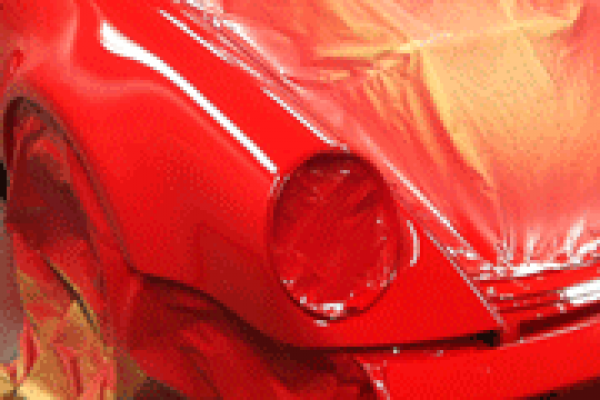
How To Restore & Apply Paint to Your Classic Car
Body painting is one of the most hands on and difficult elements of restoring a classic car. There are lots of steps to be taken before you can even begin painting like cleaning and preparation. Then you have to start doing long-winded planning;…
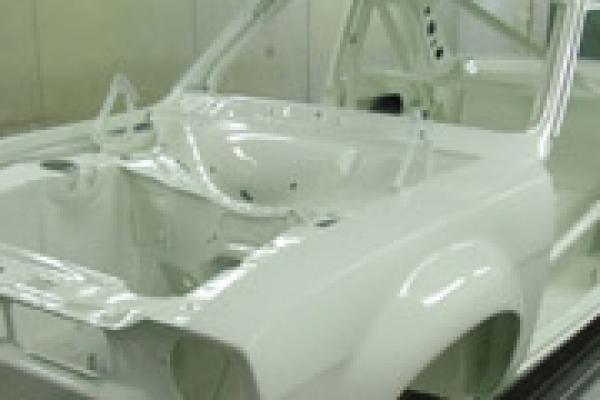
Removing Doors From Your Classic Car
Most classic car restorers decide to prepare their classic cars for bodywork and paint themselves. This involves removing the car doors, boot lid, rebuilding door hinges, removing fuel tanks and getting any old paint that is on the body work…