
 Call
Call
What Are Exhaust Emissions?
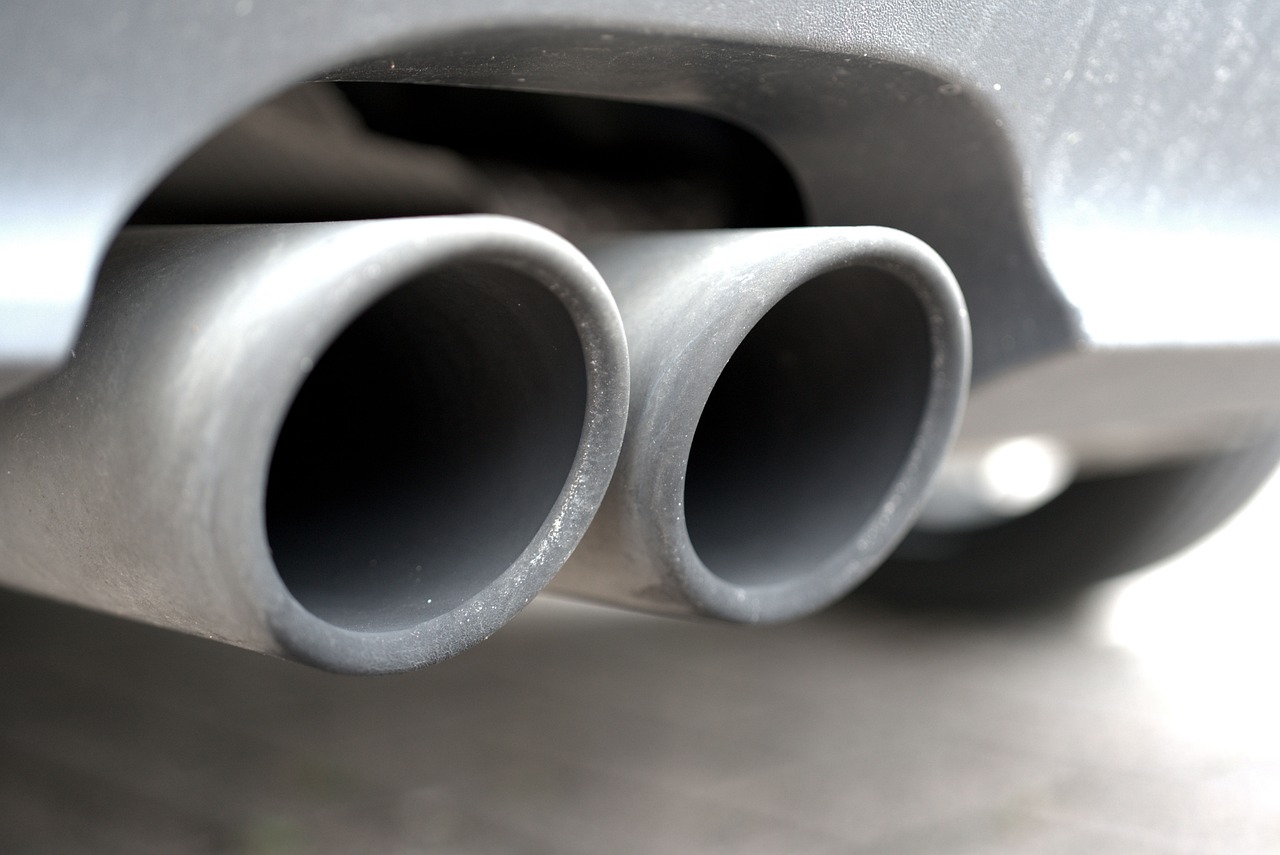
Exhaust emissions are emitted as part of the combustion process when an engine is running – the emissions themselves are comprised of different gases and particles.
Some of these are harmless chemicals, such as oxygen, nitrogen, and water vapour. However, there are many other harmful and dangerous components including, carbon dioxide, carbon monoxide, nitrogen oxides, sulphur dioxide, benzene, hydrocarbons, and particulates. These toxic substances reduce the quality of the air around us and contribute towards climate change and global warming.
High emissions are a major problem in big cities and built-up areas, where the fumes become trapped between buildings meaning that pedestrians and residents are breathing in heavily polluted air.
This is bad for all forms of life, and even worse for children, elderly people, and those with underlying health problems. Pollutants from cars are linked to a range of health problems that vary in severity from allergies and skin irritation to a number of respiratory related illnesses amongst other ailments.
How Are Excess Emissions Managed?
Improved Design & Electric Cars
Vehicle manufacturers are helping to reduce emissions by improving the design of the engine and exhaust systems. Electric vehicles are becoming increasingly popular and more accessible with the UK government pledging to ban the sale of new diesel and petrol cars by 2030.
Low Emission Zones
To tackle this issue many local authorities have introduced low emission zones to help to improve air quality and discourage owners of older diesel vehicles in particular, not to enter these areas.
MOT Testing
Any car older than 3 years by law must have an annual MOT, this test checks that the vehicle is safe to be on the road. One of the components of the test is to detect excess toxic emissions – back in 2018 the rules became stricter on many aspects of testing including emissions in particular for diesel vehicles.
What Could Cause an MOT Emissions Failure?
A Damaged Exhaust System
The catalytic converter in the exhaust system is responsible for limiting the quantity of harmful gases emitted during the combustion process. If this component is worn or damaged, it will not work properly resulting in exhaust emissions exceeding the manufacturer’s specified limit and a subsequent MOT emissions fail.
Signs of a damaged exhaust system include a loud rattling sound coming from the exhaust itself, poor fuel economy, steering wheel vibration and continuous smoke coming out of the exhaust when it is in motion.
Problems With the Ignition System
The ignition system is made up of many components including fuel injectors and spark plugs. In some cases, a vehicle may fail its MOT due to excessive levels of hydrocarbon caused by a faulty ignition system.
Old Oil
Oil changes are scheduled at timely intervals during services according to the manufacturer’s guidelines. If an oil change is long overdue, the oil becomes dirty and can potentially release additional pollutants into the exhaust system resulting in a failed MOT.
Oxygen Sensor Malfunction
Most exhaust systems have an oxygen sensor to measure the amount of oxygen emitted in the exhaust. If there is a malfunction in the sensor, it can cause the engine to overheat or for a higher level of toxic fumes emitted from the exhaust system.
How To Avoid Excess Exhaust Emissions
Regular Servicing
Ensuring that your vehicle is regularly serviced is the best way to avoid a failed MOT due to excessive exhaust emissions. This will help to identify any problems before they become an issue including a malfunctioning exhaust system. Find out more on your vehicle’s emissions here.
Our Services
Longmynd Service Station is a family owned, independent service station that offers all makes MOT and car servicing. As a Bosch accredited organisation, all of our technicians are trained to extremely high standards and allow us to offer an outstanding service.
For more information on our services, get in touch today.