
 Call
Call
Petrol in a diesel engine creates a storm of destruction the moment you start the car.
While petrol engines run on spark ignition, diesel engines compress their fuel and rely on it for lubrication. When petrol enters this system, it does two devastating things:
- It strips away the protective layer of lubrication that diesel provides
- It changes how the fuel ignites in the cylinders
This combination means your engine's precision components begin grinding against each other unprotected while also trying to run on a fuel that combusts at the wrong time. The resulting damage spreads rapidly through the entire fuel system.
Prevention
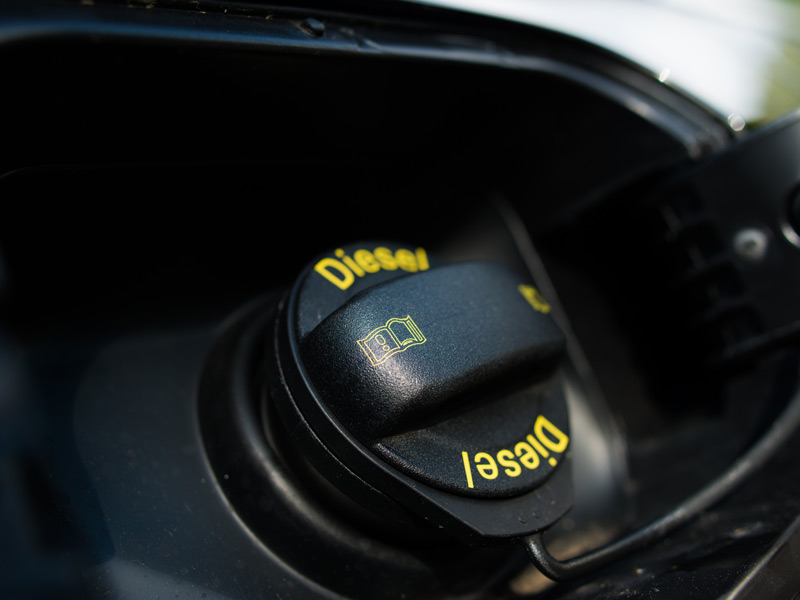
Modern diesel vehicles have protective devices in their fuel necks to prevent misfuelling at the pump, but these aren't guaranteed. The fuel cap typically displays "Diesel" clearly, and your vehicle handbook specifies the correct fuel type.
Catching it early
Don't insert the key if you realise your mistake. Instead, put the car in neutral, inform the fuel station staff, and have the vehicle pushed to a safe location.
A professional fuel drain service will remove the contaminated fuel and clean the system, typically costing £200 to £350.
Starting the engine without driving circulates the contaminated fuel through the system. If this happens, switch off immediately and don't restart. The system needs a thorough flush to remove all traces of petrol, which costs £200 to £500 depending on your vehicle.
If you've driven
The first signs of petrol contamination include engine hesitation, misfiring, rougher idling, and a slight loss of power. You might notice a moment's lag between pressing the accelerator and the engine responding or slight vibrations while idling.
These symptoms occur because petrol ignites differently from diesel, disrupting your engine's normal combustion cycle.
If these symptoms appear while driving, pull over when safe. Continued driving means contaminated fuel cycles through your entire fuel system.
The repair process requires draining the contaminated fuel, flushing the fuel lines, and testing key components like the fuel pump and injectors for damage. With early intervention, these components often survive intact. The longer the engine runs with petrol, the more likely these components will need replacement.
Insurance and recovery
Your first call after misfuelling can be to several places. Your insurer's claims line can advise whether you're covered and arrange recovery - even if misfuelling isn't covered under your policy, they maintain networks of trusted garages and recovery services.
Breakdown services like the AA, RAC, and Green Flag have specialist fuel drain technicians who carry equipment to drain and flush fuel systems at the roadside.
Local garages experienced with diesel engines can also handle misfuelling. Many offer mobile fuel drain services or can arrange recovery to their workshop. Your vehicle manufacturer's franchised dealer is another option, though they typically charge more than independent specialists.
Look for garages that mention fuel drain services specifically. They'll have the equipment and experience to thoroughly test your fuel system after draining. A proper fault diagnostic check after draining helps identify any issues.
What makes a repair expensive
Repair costs vary dramatically based on your engine type and vehicle age. Newer diesel engines with common rail direct injection systems are particularly vulnerable, as their components are machined to incredibly fine tolerances. These engines can suffer more extensive damage more quickly than older diesel engines.
Labour costs form a significant portion of any repair bill. Accessing and replacing components like injectors or fuel pumps often requires removing substantial engine parts, which can take 8-10 hours of skilled labour.
Diagnostic time adds to this - technicians must check the entire fuel system for metal contamination before determining the full scope of repairs.
Parts availability also affects cost. While universal components like filters are readily available, vehicle-specific parts like high-pressure pumps might need to be ordered from manufacturers, extending repair times and potentially adding storage costs to your bill.
Summing Up
Swift action prevents catastrophic damage when you've put petrol in a diesel car.
Don't start the engine if you catch a mistake at the pump. If you've driven, stop immediately and don't restart. How quickly you respond often determines the difference between a £200 fuel drain and a £2,000 repair.
Professional help is essential — attempting to drain the system yourself risks causing more damage. While the situation is serious, if caught early enough, it's a fixable problem rather than a destroyed engine.
Call us on 01694 722626 if you have put petrol in your diesel car, and we’ll guide you through the repair process with honest advice.